


Maintaining a strong cash inflow will keep your business afloat and allow you to reinvest and grow your business as you cover general expenses. Though established corporations have more financial freedom, they have a greater responsibility to create value for their shareholders and maximise their equity. So, they need to consider opportunity costs and study reports from various departments before making cash outflow decisions or approving expenses. Cash inflow defines the amount of money the company earns through any activity that leads to revenue generation.
- Mastering cash inflow and outflow dynamics empowers businesses to make confident decisions, seize opportunities, and build long-term success.
- Having a structured cash flow management strategy ensures that a business has enough reserves to withstand slow periods and unexpected costs.
- Positive cash flow enables businesses to invest in growth opportunities, such as expanding operations, launching new products or services, and entering new markets.
- In conclusion, cash outflows are a fundamental aspect of financial management that requires careful monitoring and analysis.
- Adoption of new technologies can improve operational efficiencies and open new revenue streams, influencing both cash inflow and outflow.
- The aged receivables report enhances this anticipation by categorising receivables by due date, providing a clear view of short-term flows.
Net cash flow
They assess your business based on both profit potential and your proven skill at generating and managing cash. Good cash flow management substantially improves your chances of getting better financing terms for growth or during tough times. Cash outflow refers to the money that leaves your business or bank account to cover expenses, purchases, repayments, or investments. In simple terms, it’s every time you spend money—whether it’s paying salaries, buying materials, or settling bills. An alternative formula focuses solely on balances related to day-to-day business operations. Excluding cash and debt, key components of net working capital (NWC) are accounts receivable, inventory, and accounts payable.
Amazon Leadership Principles for Success in Business
Find out how GoCardless can help you with ad hoc payments or recurring payments. Sometimes you’ve done everything you can to reduce expenses, but you can’t achieve positive cash flow, or you don’t have enough on hand to invest in growth. CEOs and CFOs should take an active role in watching over cash flow trends so they can improve money management and optimize their limited resources. This way, cash flow becomes a forward-looking strategic tool, not just another element of financial analysis after the fact. The most basic form of cash flow reporting is the standard cash flow statement (or statement of cash flows).

Factors Affecting Business Cash Flow
Cash outflow includes all payments or activities that result in funds moving out of your business. Basically, any money that you spend to keep your business running qualifies as a cash outflow. This can include employee wages, rent and utilities, equipment purchases, and debt repayments. Your accounts payable are not considered a cash outflow until you have actually submitted payment for them. In the operating activities section, cash outflows are typically derived from the company’s net income, adjusted for non-cash items and changes in working capital.
- For fixed assets and loans, outflows are related to both balance sheet movements AND P&L expenses.
- Several things can cause poor cash flow, such as not invoicing customers timely, having too much inventory, or having too much debt.
- By understanding what cash outflows are and the different types that exist, it becomes easier to control and optimize these expenses.
- The movement of all your cash—in and out—is recorded in detail on the cash flow statement in your financial reporting.
- Depending on your analysis requirements, you can calculate cash outflows for different periods, whether monthly, quarterly, or annually.
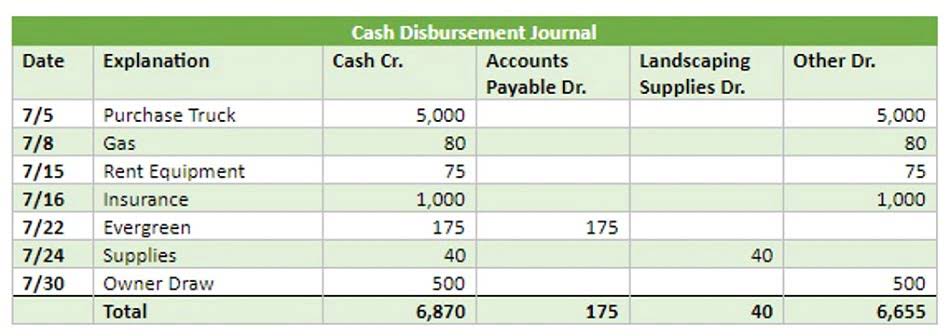
One example of cash outflow is the purchase of inventory or supplies required for business operations, affecting the cash position and inventory management. Effective management of cash outflow aids in creating accurate budgets, maintaining a healthy cash position, and ensuring sufficient liquidity for day-to-day operations. If you are looking for a free business cash flow statement, cash inflow vs outflow we have produced a cash flow forecast here at Business Accounting Basics.

Cash inflows are the money coming into the business or individual’s account, while cash outflows represent the money being spent. A positive cash flow indicates that the entity is earning more than it’s spending, whereas negative cash flow suggests that expenses are surpassing income. Key terms that are important to understand include operating cash flow, net cash flow, cash flow analysis, and free cash flow. Overall, keeping a close eye on cash inflows and outflows is essential for the financial health of any business. How cash inflows and outflows are reported on the cash flow statement and balance sheet depends on the income or expense activity type.
How does cash outflow impact a business or individual’s financial health?
- It’s not uncommon to have negative cash flow in the early days of your small business.
- As you can see, the cash methodology does not accurately represent the companies performance (in one months $80k profitability, and in the next -$50k profitability).
- These expenses are categorized in the cash flow statement and can impact a company’s available cash, although they may not always directly affect profit.
- On the other hand, if you spent ₹1,10,000 instead, you’d have a ₹10,000 cash deficit, which might force you to borrow or delay payments.
- One of the biggest financial misconceptions among entrepreneurs is equating profit with cash availability.
Understanding financing cash outflows is critical for financial analysts, as they can influence a company’s leverage and cost of capital. Companies must strike a balance between maintaining sufficient cash flow for operations and investing in growth while also meeting their financing obligations. This balance is often monitored through financial ratios, such as the debt-to-equity ratio and interest coverage ratio. Two types of cash outflows are operating cash flow, which covers day-to-day business costs, and capital expenditures, which retained earnings involve long-term asset investments. The difference between your inflow and outflow will determine whether you have a positive or negative net income. Since your business’s financial health depends on its ability to generate cash, it’s crucial to minimise cash outflow and overcome cash inflow problems.
How an Accountant can use Brixx to Help with Multiple Business Forecasts
However, this same balance will also be referred to as the opening balance for the month of April. Each of these processes highlights how businesses can generate cash, ensuring How to Start a Bookkeeping Business they have the necessary funds to thrive and expand. This scorecard helps you get the right vendor that best fits your cash flow needs.

By reducing these expenses, the business is able to cut its cash outflows and improve its financial situation. Calculating cash inflows and cash outflows is an important part of managing your business. By comparing the two, you can get an idea of how much money is coming in and going out of your business. This can help you make better decisions about spending, investments, and financing. It’s important to understand the difference between cash outflows and cash inflows, as these concepts can impact the financial health of your business.
No responses yet